bbdbuy Sneaker Brand Model Guide
bbdbuy Sneaker Brand Model Guide
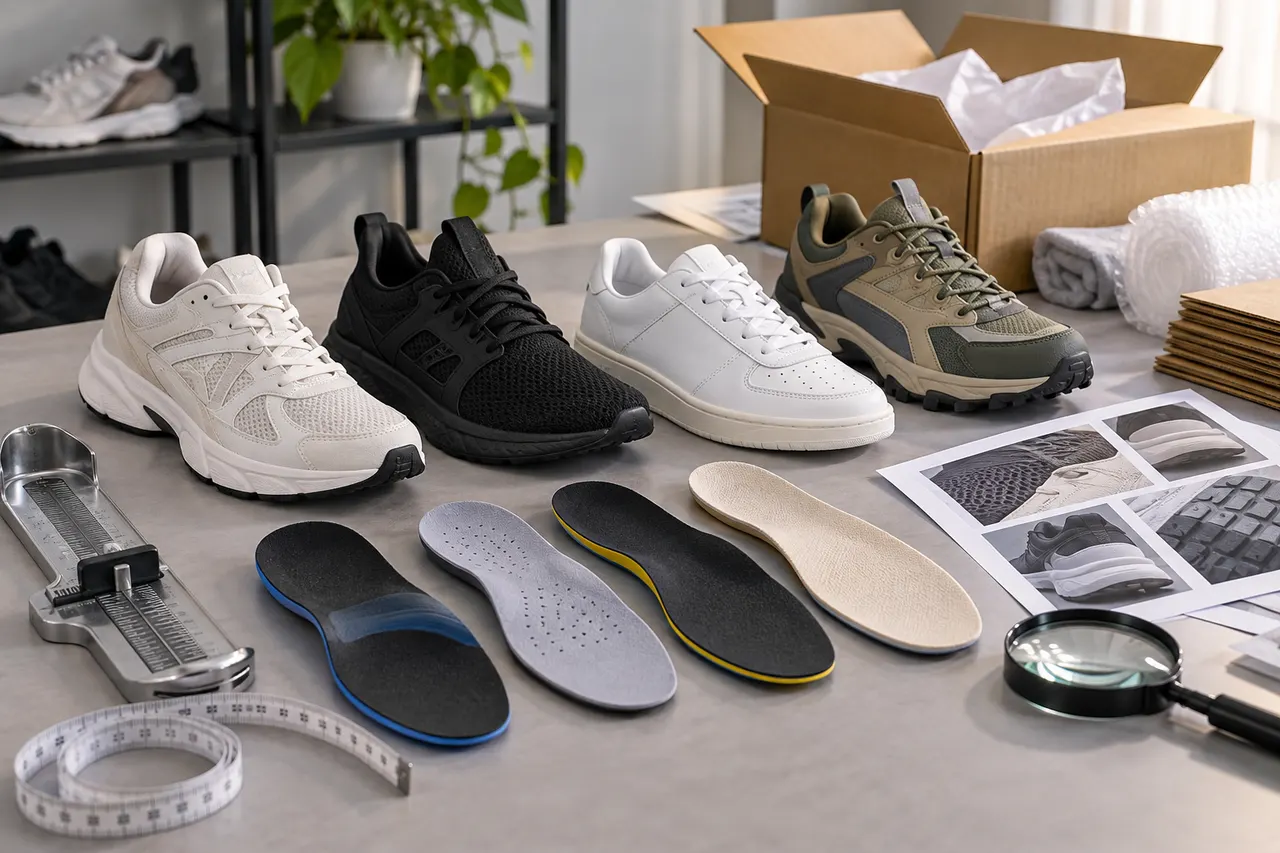
Many people looking at sneakers in the bbdbuy spreadsheet are not really stuck on "which brand is more popular," but rather on having too many candidates, similar model names, and incomplete size and QC evidence. A more reliable approach is to first clarify your foot shape, intended use, budget, and acceptable risk, then use the spreadsheet information, seller pages, size charts, buyer feedback, and QC photos to narrow down step by step.
This article is suitable for buyers who are ready to search for sneaker styles through bbdbuysheets.com and want to narrow down candidates before ordering. It is not suitable for those who want to confirm authenticity, investment resale prices, or bypass customs declarations. Prices, inventory, sizes, seller links, shipping fees, and return/exchange restrictions may change; the check date for this article is 2026-09-08. Before ordering, always refer to the actual product page, agent warehouse reminders, and destination country rules.
Define Foot Shape, Usage Scenarios, and Budget Boundaries First
Before selecting shoes, do not open dozens of brand pages right away. First write down three conditions: foot shape, main use, and total budget. This will help you avoid being misled by pictures, popular models, or low unit prices.
For foot shape, record at least the following information:
Your usual US, EU, or CN size, as well as the brand and model of a shoe that fits you best
Foot length and width, preferably in centimeters
Whether you have a high instep, wide feet, narrow feet, flat feet, or high arches
Whether you often experience heel rubbing, pressure on the little toe, toe jamming, or instep pressure from the upper
Usage should be more specific. Don't just write "sneakers," but write "walking 8000 steps daily for commuting," "gym strength training," "occasional jogging within 5 kilometers," or "mainly for daily wear with jeans." The same pair of shoes may look like sneakers in pictures, but the midsole structure, wrapping, cushioning, and upper support may be designed differently, and wearing them in the wrong scenario will directly affect comfort.
Budget should be calculated based on the final cost, not just the product price in the spreadsheet. You should set aside for product price, domestic shipping, agent service fee, international shipping, possible taxes, and return/exchange costs. For sneakers, the box volume will affect international shipping; if you don't need the shoe box, first confirm with the agent whether box removal is allowed and whether it affects returns, protection, and resale.
Build a Candidate Pool by Brand and Model on bbdbuy
The value of bbdbuysheets.com lies in consolidating different product entries into a spreadsheet, making it easy for users to discover styles, view basic categories, and jump to corresponding purchase pages. When using it, do not treat the spreadsheet as the final source of truth, but as a candidate entry point. Before actually ordering, you need to go back to the product page and agent order page to verify specifications, price, inventory, and restrictions.
When building a candidate pool, it is recommended to keep only 5 to 8 models. Too few may cause you to miss versions that better fit your foot shape, while too many make it difficult to carefully check QC and size evidence. You can filter in the following order:
First search for relevant entries by brand or shoe category keywords.
Exclude entries with vague titles, unclear specifications, insufficient images, or broken links.
Keep pages that show color, size, seller information, and product images.
Compare similar models from the same brand together, not mixed with others.
For each candidate, record the product page verification date, price range, available sizes, and whether there is usable QC reference.
Pay special attention here: the brand names or model names in the spreadsheet may only be search and classification terms used by buyers and cannot automatically be equated with official authorization, authentic status, or stable inventory. Do not skip verification just because a term looks familiar.
Distinguish Selection Logic for Running, Commuting, Training, and Casual Shoes
Different uses have different priorities. Clarifying the use will naturally reduce candidates.
Usage Scenario | Priority Checks | Situations to Be Cautious About |
|---|---|---|
Running | Midsole condition, forefoot flexibility, heel stability, size allowance | Choosing thick-soled shoes based only on appearance without actual size feedback |
Commuting | Comfort, durability, upper breathability, ease of cleaning | Soles that are too soft or too heavy, which may cause fatigue during long walks |
Training | Lateral support, sole stability, heel lockdown | Highly cushioned thick-soled shoes for heavy weight training |
Casual wear | Shoe shape, color, compatibility with pants, maintenance difficulty | Light-colored suede, large mesh areas, or materials prone to oxidation |
🏃 If mainly for running, the selection logic should be more conservative. Don't just look at popular models or appearance similarity; focus on size allowance, instep pressure, sole stability, and whether it suits your running volume. Once running shoes don't fit, the cost of returns and secondary handling is usually higher than the price difference saved.
🚶 If mainly for commuting, prioritize durability and stable comfort. Many shoes that look good may feel fine in short try-ons, but after long periods of standing or walking, problems like hard soles, heel rubbing, or stuffy uppers may surface.
🏋️ If mainly for training, overly soft cushioning is not necessarily an advantage. Squats, deadlifts, or machine training require a stable platform and lateral support. Thick-soled running shoes may feel wobbly during training.
👟 If just for daily styling, you can pay more attention to shoe shape, color, and outfit compatibility, but still cannot skip size and QC. Toe shape, left-right height, and heel tilt will affect the on-foot look more than a single product photo.
Verify Size Charts, Last Information, and Boundaries of Buyer Feedback
The most common mistake with sneakers is sizing. Different brands, different models, and even different versions of the same model may vary. Before ordering, check at least three types of information: product page size chart, seller description, and buyer feedback or QC records.
If the page shows multiple size systems such as US, UK, EU, CM, CN, prioritize using foot length in centimeters as the baseline, then compare with the insole length of shoes that fit you well. Relying solely on "I usually wear 42, so I'll buy 42" is risky because different last widths, upper materials, and forefoot heights can change the actual feel.
Buyers with wide feet or high insteps should pay special attention to these signals:
Whether comments or feedback repeatedly mention narrow fit, instep pressure, or low toe box
Whether the toe shape in product or QC photos is very pointed or the forefoot tapers significantly
Whether the upper is made of stiff leather, thick synthetic leather, or low-stretch material
Whether half sizes are available; if not, whether you need to round up
Buyer feedback can only serve as a reference; do not directly copy someone else's size conclusion. Others' foot width, sock thickness, usage scenario, and comfort standards may differ from yours. A more reliable method is to treat feedback as risk hints: if multiple feedbacks say it runs narrow, wide-foot buyers should raise the risk level; if feedback is very divided, do not make that model your only candidate.
Use QC Photos to Check Shoe Shape, Stitching, and Left-Right Consistency
QC photos are not a guarantee of authenticity or a promise of quality. Their function is to help you check at the warehouse stage whether the specific pair you received has any obvious problems. For sneakers, QC inspection should go from overall to details: first check the shape, then left-right consistency, and finally details.
Follow this order for inspection:
Front: toe height, tongue centering, symmetry of left and right toe caps.
Side: midsole lines, upper curvature, heel height consistency.
Heel: whether the heel is tilted, whether pull tabs or logos are misaligned.
Sole: whether the tread pattern is complete, whether there is obvious dirt, indentation, or excess glue.
Details: broken stitches, glue marks, logo placement, color differences, and material wrinkles.
🔍 When viewing QC, do not over-magnify a single minor flaw. Sneakers may have slight glue marks or indentations from production, shipping, and warehouse storage; the key is to judge whether the problem affects wear, appearance, and your acceptance standards. Conversely, if the left and right shoes are clearly inconsistent in shape, the heel is tilted, the upper is severely deformed, or the size label does not match, you should promptly contact the agent to confirm exchange, return, or additional photos.
If the QC angles are insufficient, do not fill in with imagination. You can request additional photos of key angles, such as the size tag, sole, heel front view, and insole length measurement. Whether additional photos incur fees or delay shipping depends on the agent's current policy.
Comparison Checklist for Different Models of the Same Brand
Comparing within the same brand is often more effective than across brands because naming, sizing systems, and design language are more similar. When comparing, don't just write "looks better" or "cheaper," but link the trade-offs to foot shape, usage, and risk.
Comparison Dimension | Signals to Keep | Signals to Consider Eliminating |
|---|---|---|
Foot shape match | Stable size feedback, half sizes or width options available | Multiple feedbacks indicate narrow, instep pressure, or toe jamming |
Scenario match | Sole structure fits running, commuting, or training needs | Only suitable for photos and styling, unclear usage scenario |
QC inspectability | Sufficient angles to judge left-right consistency | Few photos, dark angles, key parts unclear |
Total cost | Product price and estimated shipping within budget | Large shoe box volume, high return costs |
After-sales risk | Clear specifications, acceptable return restrictions | Unstable link, missing sizes, vague seller description |
For the final comparison, write at most three reasons to keep and three reasons to eliminate for each candidate. The shorter the reasons, the better, but they must be verifiable. For example, "nice color" is not as good as "dark upper is more suitable for rainy day commuting, lower cleaning pressure"; "everyone buys it" is not as good as "feedback from similar foot lengths is concentrated on the same size, lower size risk."
⚖️ If two models both meet your needs, prioritize the one with more complete evidence rather than the one with the most appealing picture. In cross-border purchases, lack of information itself is a cost.
Confirm Link, Specifications, Fees, and Return Restrictions Before Ordering
Before ordering, re-verify everything because there may be delays or differences between the spreadsheet, product page, and agent page. It is recommended to save the verification results as a record for future QC, consolidation, after-sales, or dispute handling.
At least confirm before ordering:
The product link is still accessible and does not redirect to an unrelated page
The product name, color, size, and version match your candidate record
The price, domestic shipping, and inventory status have been checked today
The agent page can identify the product specifications, with no missing color or size selections
The return window, exchange conditions, additional photo fees, and storage period are understood
The international shipping route accepts shoes, shoe boxes, and the corresponding package weight
The destination country has any taxes, declaration documents, or import restrictions
🧾 Customs clearance and declaration must be handled truthfully. Do not underreport to reduce taxes, split orders to evade inspection, or fill in information inconsistent with the goods. The package value, quantity, shoe box volume, and destination country rules will all affect the final cost and risk.
If your budget is tight, first calculate the worst case: the product cannot be returned, additional photos are needed, the shoe box increases shipping costs, and the size does not fit upon arrival. Only proceed if the worst case is still acceptable.
Make the Final Model Choice and Save Review Records
The final choice should not be "which pair I like most," but "which pair is most stable under my foot shape, usage, budget, and evidence conditions." It is recommended to write the conclusion in one sentence: I choose brand X model X size X because it matches my main use, size evidence is relatively complete, QC checkpoints are clear, and the total cost is within budget.
Then save these records:
Screenshot or entry name of the bbdbuy spreadsheet entry
Product page link, title, color, size, and verification date
Pre-order price, domestic shipping, and available specifications
Agent order number and warehouse QC photos
Basis for size judgment and final choice reason
Any communication about returns with the seller or agent
Such records will not guarantee the shoes fit, but they reduce repeated judgments and help locate problems faster in case of size issues, defects, wrong shipments, or cost disputes.
The conclusion is simple: savings come from fewer invalid candidates, lower return probability, and clearer shipping estimates; increased risk comes from uncertain sizing in cross-border purchases, after-sales costs, limitations of QC photos, and customs variables. This method is suitable for buyers willing to spend time verifying information, accept waiting, and tolerate certain after-sales risks. It is not recommended for those with very low size tolerance, who need shoes immediately, cannot bear return losses, or only want a guarantee of authenticity.
agent platform shopping FAQ
1. Is it safe to browse the spreadsheet on bbdbuysheets.com?
bbdbuysheets.com does not collect any personal information. The website is only a product catalog for the agent platform. All transactions are conducted on the agent platform.
2. What are the QC photos mentioned for products on bbdbuysheets.com?
All dropshipping platforms have professional quality control teams. When your goods arrive at the platform warehouse, the platform will perform quality checks and take QC photos of the goods. Usually three photos are taken, and the team will check whether the color, size, specifications, and quantity of the goods match your order, and also check for quality issues. However, electronic products are excluded; only appearance is checked. If quality issues or size/color errors are found, the team will immediately request the seller to return the goods to ensure you receive high-quality products.
3. Why is it necessary to use a spreadsheet on bbdbuysheets.com?
Agent platforms usually do not directly display products, so you need a spreadsheet to search for products you like and find purchase links. Alternatively, you can seek help on Reddit or Discord—products recommended on those platforms are usually good, but the shopping process may be slow. These spreadsheets are often compiled by long-term collection of information from those platforms.
4. What types of products can be found in the spreadsheet on bbdbuysheets.com?
The spreadsheet on bbdbuysheets.com covers shoes, clothing, bags, accessories, jerseys, perfumes, hats, scarves, belts, and various household items.
5. Why is it better to use a spreadsheet on bbdbuysheets.com than Google Sheets?
Google Sheets is only suitable for spreadsheets with a small number of products. Once the number of products increases, loading becomes very slow and the system lags severely. Especially on mobile devices, the visual experience is poor and searching for products is very inconvenient. For the same product set, the spreadsheet on bbdbuysheets.com loads faster and offers a better visual experience.
Browse our latest products and find your next favorite item.